
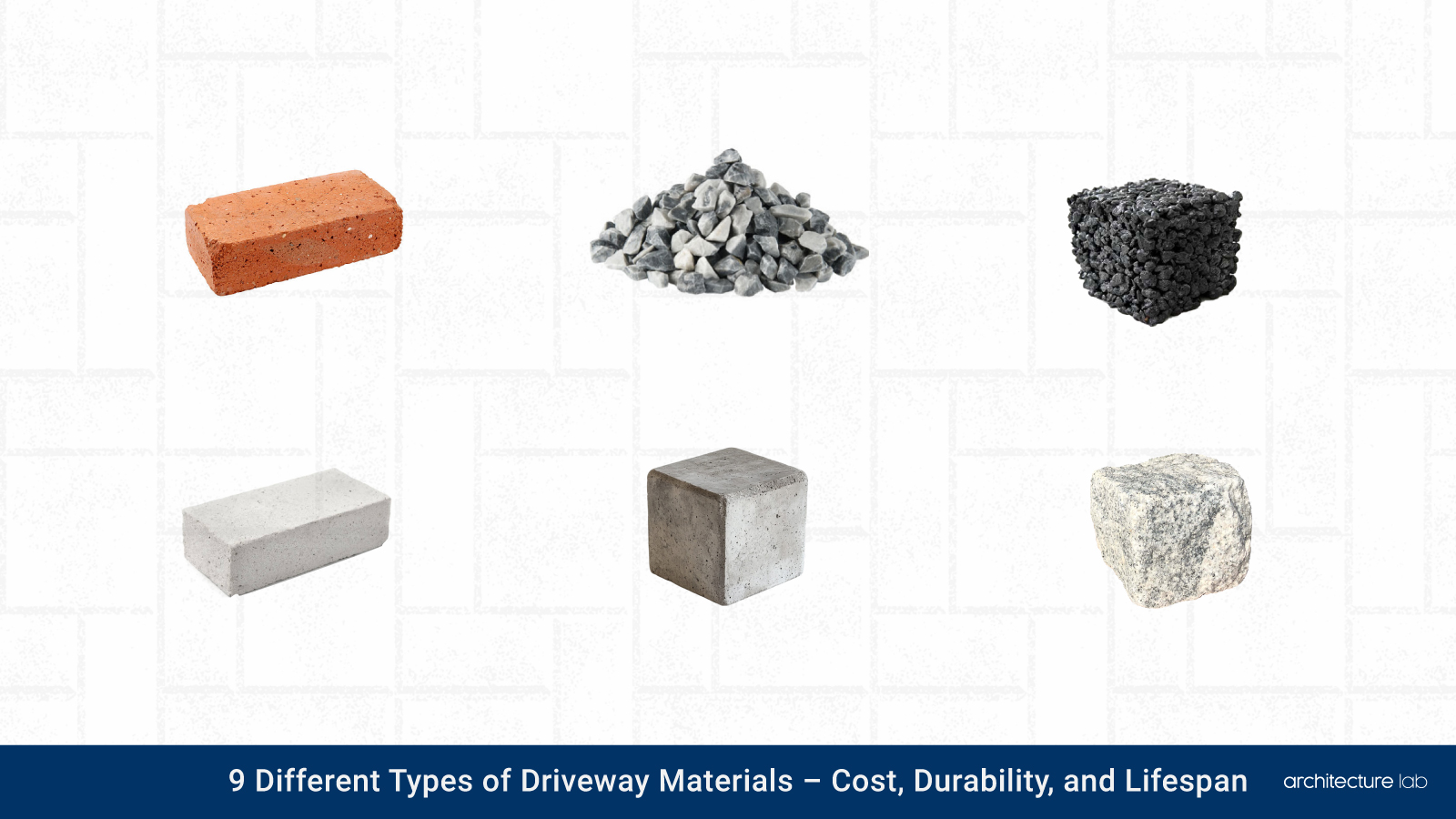

Driveway materials cover the ground you drive and walk on every day, and they must endure heavy loads and weather for decades. Even in an age of smart homes and GPS navigation, the physical path to your home remains a key element of curb appeal and functionality. Design experts note that a well-designed analog feature can often be more immediately effective than a high-tech solution—the material of your driveway is one such tangible element that sets the tone as people approach your home.
Choosing the right material for a driveway involves weighing aspects like cost, durability, maintenance, and environmental impact. There are options ranging from basic gravel and asphalt to high-end pavers and modern permeable surfaces. In the following, we explore nine popular driveway materials, detailing the pros and cons of each. This guide will help you compare these options and identify which best suits your home’s needs and style.
1. Asphalt

Asphalt is one of the most common driveway paving materials due to its relatively low cost and proven durability. An asphalt driveway typically costs around $5–$7 per square foot (approx €4–€6, £4–£5) installed, making it more affordable upfront than concrete or stone. This blacktop surface is composed of a mixture of aggregate (gravel and sand) and bitumen (a tar-like petroleum product) applied hot over a compacted gravel base. Once cured, asphalt forms a solid, slightly flexible pavement that lasts roughly 15 to 20 years with proper care. It withstands freeze-thaw cycles better than concrete, so it’s less prone to cracking from frost heave in cold climates. When maintenance is needed, a new layer of asphalt is added on top to resurface the driveway, avoiding a full teardown.
Best for: Long-lasting, budget-friendly driveways where appearance is less critical
However, asphalt does require regular upkeep to reach its full lifespan. It should be sealed every few years to protect against water penetration and UV damage. In hot summer weather, the surface can soften and become susceptible to impressions or oil stains. Tree roots may cause cracks or bumps over time. The installation of asphalt is not a DIY-friendly project—it requires specialized equipment and handling at high temperatures—so professional installation is almost always necessary. On the aesthetic side, a basic asphalt driveway is plain black and not as visually appealing as pavers or decorative concrete, though tinted or stamped asphalt options exist for a customized look.
TIP
To extend the life of an asphalt driveway, promptly fill any cracks that develop. Modern cold-lay asphalt patch kits make it easy to repair small potholes or minor damage without heavy machinery. Additionally, sealing narrow cracks and joints with bitumen overbanding tape prevents water from seeping under the pavement and protects against freeze-thaw damage
What We Like
- Low-cost installation
- Resists frost damage
- Easy snow removal
- Allows resurfacing repairs
What We Don’t Like
- Plain appearance
- High maintenance
- Needs regular sealing
- Heat-sensitive in summer
2. Concrete
Concrete is another extremely popular choice for driveways, valued for its strength and clean, versatile look. A professionally installed concrete driveway costs about $4–$10 per square foot (approx €3–€9, £3–£7) depending on thickness and finish, making it more expensive initially than asphalt but often worthwhile for its longevity. Proper construction ensures a concrete driveway will often last 25 to 50 years. This material handles heavy vehicles and daily wear with ease, and it requires minimal routine maintenance—usually just periodic cleaning and sealing. Unlike asphalt’s dark surface, concrete comes in a light gray by default, but it is often tinted with pigments or stamped with patterns to mimic brick, stone, or tile. These customization options allow concrete to complement a home’s architecture and boost curb appeal.

Best for: Long-term durability and low upkeep
Installation of a concrete driveway is labor-intensive and best left to professionals. The process involves building formwork, mixing and pouring the concrete, then smoothing and curing it properly. DIY attempts can lead to weak spots or poor finishes if done incorrectly. Once cured, concrete provides an excellent surface for all seasons: it stays firm in hot weather and is easy to shovel or plow in winter due to its flat, solid surface.
One drawback of concrete is its tendency to crack over time. Hairline cracks can form from settling, temperature changes, or tree root pressure. Applying a concrete sealer every few years helps minimize water penetration that could worsen cracks or lead to surface flaking. Also, deicing salts used in winter can degrade concrete surfaces over the years by promoting freeze-thaw damage, so use such chemicals sparingly. Another consideration is that while concrete is durable, repairing a badly damaged slab is costly—replacement of entire sections might be needed, since patches are often visible.
TIP
Keep a concrete driveway looking its best by removing stains promptly. Oil leaks, rust spots, or tire marks are usually removable with a pressure washer and concrete-safe cleaners. Regular washing helps maintain the appearance and prevents substances from penetrating and weakening the concrete.
What We Like
- Extremely durable
- Custom finishes available
- Easy snow clearing
- Low routine maintenance
What We Don’t Like
- Can crack if unsealed
- Professional install required
- Vulnerable to salt damage
- High initial cost
3. Gravel

Gravel is the least expensive driveway material and one of the simplest to install. A basic gravel driveway might cost just $1–$3 per square foot (approx €1–€3, £1–£2), making it ideal for long country driveways or large parking areas where paving would be cost-prohibitive. Installation involves grading a level base and then spreading a layer of crushed stone or coarse gravel. Many homeowners install a gravel drive themselves with some rented equipment and elbow grease. The result is a permeable surface that drains well and never cracks—water simply soaks through into the ground. Gravel is very forgiving to movement; it won’t heave significantly with frost, and any small potholes or ruts that develop are easily filled in with more gravel.
Best for: Budget-friendly rural driveways and excellent drainage
A well-maintained gravel driveway may last a lifetime. Periodic maintenance is key: gravel tends to migrate or get pressed into the soil, so it should be raked back into place and topped up with fresh stone every couple of years. Erosion from rain and snow can create low spots, and regular use will scatter some stones to the sides. Weeds often sprout if a proper underlayment or weed barrier isn’t used beneath the gravel layer. Another challenge is snow removal—plowing a gravel drive requires care, as the plow blade will scrape away the gravel along with the snow if set too low. Many people in snowy regions opt to leave a thin, packed layer of snow on gravel drives to protect the stones from being pushed aside.
Visually, gravel has a rustic, informal appeal. Depending on your region, different colors and types of stone may be available (for example, crushed limestone in some areas versus granite or river stone in others). Gravel can complement rural or farmhouse-style properties, and it has the advantage of being easy to modify or expand as needed. Just keep in mind that loose gravel tends to get dusty in dry weather and may stick in tire treads or get tracked indoors. Defining the edges with bricks, pavers, or wood can help contain the stones and give the driveway a cleaner outline.
What We Like
- Very low cost
- DIY-friendly install
- Excellent drainage
- Simple to fix
What We Don’t Like
- Needs periodic replenishment
- Difficult snow removal
- Rough, loose appearance
- Prone to weeds and dust
4. Tar-and-Chip – Chip Seal

Tar-and-chip (sometimes called chip seal or macadam) is a middle ground between a full asphalt driveway and a loose gravel surface. It offers a firm, textured driving surface at relatively low cost. A tar-and-chip driveway typically costs about $2–$5 per square foot (approx €2–€4, £2–£4), roughly double the cost of a simple gravel driveway but a bit cheaper than standard asphalt. Installation involves spraying a hot liquid asphalt (bitumen) over a prepared gravel base, then immediately spreading a layer of crushed stone chips over the top. The stones are rolled into the tar to set as it cools, creating a rough, grippy surface. This driveway material and method provides an attractive, understated look—often seen on country roads or large rural properties—with stone colors that can sometimes be chosen to complement the home.
Best for: Rustic-look paved driveways with low maintenance
In terms of durability, tar-and-chip driveways typically last around 7 to 10 years before needing a refresh. This is shorter than the 15–20 year lifespan of asphalt, but maintenance is minimal during those years. The surface does not require periodic sealing, and small cracks tend to be self-healing as the tar softens slightly in heat and rebinds. When the driveway begins to show wear, a fresh layer of hot bitumen and stone is applied on top to rejuvenate it. The naturally rough texture provides excellent traction, especially in wet or snowy conditions, compared to the smoother finish of asphalt or concrete.
One downside is that tar-and-chip is not as widely available—finding experienced contractors with the right equipment is often a challenge in some regions. It is not a DIY project; working with hot tar is hazardous and requires skill. The finished surface, while generally low-maintenance, is vulnerable to damage from aggressive snowplowing. A metal plow blade might peel up the stones if it scrapes directly on the surface, so it’s best to plow with the blade slightly raised or use a rubber-edged blade. Additionally, tar-and-chip has an intentionally rustic appearance. Those seeking a very polished or uniform look might not prefer the slight variability and texture of a chip seal driveway.
TIP
For a longer-lasting tar-and-chip driveway, some contractors recommend laying a thin asphalt or concrete underlayer first, then adding the tar-and-chip on top. This can improve stability and extend the surface’s life beyond the typical 10-year span.
What We Like
- Affordable paved surface
- Little upkeep required
- Good wet traction
- Blends with landscape
What We Don’t Like
- Moderate lifespan
- Fewer contractors available
- Risk of plow damage
- Informal appearance
5. Brick and Concrete Pavers

Pavers refer to interlocking bricks, blocks, or stones that create a patterned surface for driveways and walkways. Using brick or concrete pavers for a driveway gives a distinguished, tailored appearance that can greatly enhance curb appeal. There is a wide range of options: classic clay brick pavers, modern concrete pavers in numerous shapes and colors, and even natural stone cobbles or slabs cut to regular sizes. Homeowners can choose patterns like herringbone, basket weave, or running bond, and mix or alternate colors for a custom design. A big advantage of a paver driveway is that it’s segmented into many small units, so it flexes slightly with ground movement and is less prone to major cracking. If an area does get damaged or stained, individual pavers are easy to pull up and replace, making repairs straightforward.
Best for: High-end look with design flexibility and easy repairs
The cost of a paver driveway can vary widely. Concrete pavers tend to be more affordable than clay brick, but generally, expect to pay anywhere from $10 up to $30 per square foot (approx €9–€26, £8–£22) for professional installation. The higher end of that range reflects premium materials or intricate designs. This is a considerable investment, but paver driveways often last 25 years or more when well-maintained, and they may add real estate value to the property. Maintenance involves periodically adding sand (or special polymeric sand) to the joints to keep them filled and weed-free, and occasionally sealing the pavers to protect their color and surface. In cold climates, the joints help accommodate freeze-thaw movement, though severe frost can still cause pavers to heave or settle if the base is not properly prepared.
Homeowners who enjoy hands-on projects might consider installing pavers themselves, but be aware that it’s a labor-intensive job. Every paver needs to be laid on a properly graded bed of sand or stone dust, and keeping the pattern true over a large area requires patience and precision. Most people opt to hire professionals at least to prepare the base layer and handle the heavy cutting and grading work. When done correctly, a paver driveway will look impressive and perform well for decades. Sand-filled joints between pavers allow rainwater to seep down rather than running off, which helps prevent puddles. If any settling occurs over time, individual pavers are lifted, the base is re-leveled, and the same pavers put back—no unsightly patches required.
What We Like
- Elegant, custom appearance
- Many styles and colors
- Easy to repair by swapping pavers
- Can boost property value
- Reusable/recyclable materials
What We Don’t Like
- Higher cost upfront
- Labor-intensive installation
- Joints need upkeep (sand or sealant)
- Difficult for DIY on large areas
6. Stone Cobblestones

For a truly timeless driveway, natural stone cobblestones are unparalleled. Cobblestone pavers—typically made of granite or other dense stone—have been used in street paving for centuries, and many historic cobblestone roads are still in service today. This material brings Old World charm along with extreme durability. A cobblestone driveway is essentially permanent: the stones can last for generations without significant wear. If one ever does crack or become dislodged (a rare occurrence under normal car traffic), it is easy to remove that stone and set a replacement in its place. The gaps between stones make the surface somewhat permeable and allow the entire assembly to flex, virtually eliminating issues with cracking from freeze-thaw cycles.
Best for: Ultimate longevity and classic aesthetic
The major drawback of stone pavers is cost. Sourcing natural stone blocks and installing them is very labor-intensive and expensive. Professional installation can range from $30 to $50 per square foot (approx €26–€43, £24–£40) or even more, depending on the stone type and pattern. However, if you are handy and patient, a DIY installation could save a lot of money—materials themselves might cost about $3–$10 per square foot (approx €3–€9, £2–£8) if you find a good deal on reclaimed cobblestones or buy directly from a quarry. Keep in mind that laying cobblestones by hand is a time-consuming process that involves preparing a solid base, placing each stone individually, and then filling the joints (often with sand or mortar).
Once installed, a cobblestone or stone-paver driveway requires relatively little upkeep. It never needs sealing or resurfacing. The main maintenance is occasionally pulling any weeds that sprout between stones and adding sand to joints if needed. Because the surface is uneven, snow removal is tricky—a plow blade must be kept slightly above the surface, or else it will catch on the stones. Many owners with cobble driveways prefer to use a snow blower or shovel instead of risking damage with a truck plow. The ride over cobblestone is bumpier and noisier than over smooth concrete or asphalt, but many homeowners feel the unparalleled look is worth the minor inconvenience.
What We Like
- Beautiful, one-of-a-kind look
- Longest lifespan of any option
- Easy to replace individual stones
- Adds significant home value
What We Don’t Like
- Highest material and labor cost
- Difficult to plow snow
- Very heavy, hard work to install
- Needs periodic weeding of joints
7. Resin-Bound Gravel

Resin-bound driveways are a modern solution that combines the natural look of gravel with the solidity of pavement. In this system, small decorative stones (aggregate) are mixed with a clear resin binder and then spread and troweled over a prepared base (often asphalt or concrete). The result is a smooth, uniform surface where the stones are locked in place by the resin, but tiny gaps remain between them, making the surface porous. Rainwater can drain right through a resin-bound driveway, eliminating runoff and puddles.
Best for: Decorative, seamless surfaces that are water-permeable
This permeability makes resin driveways attractive for eco-conscious homeowners and in regions with strict stormwater regulations. Visually, resin-bound surfaces are very appealing: you can choose from a variety of stone colors or blends to achieve a custom look that complements your home. The finish has a subtle texture and sheen that many find more upscale than plain concrete or asphalt.
In terms of performance, resin-bound driveways are durable under normal car traffic and resist cracking thanks to the slight flexibility of the resin.
They are relatively low maintenance: there are no loose stones to rake, and no sealing is required. Routine care involves sweeping or rinsing the surface to prevent dirt buildup, and occasionally pressure washing to remove any algae or grime so the pores don’t clog. Weeds will not grow up through the solid resin layer (unlike in loose gravel driveways), which is another advantage.
However, resin-bound driveways are not recommended for very heavy loads or constant use by large vehicles.
For example, the weight of heavy trucks or frequent sharp turning motions could, over time, scuff or loosen the bonded aggregate. The cost of this type of driveway is on the higher side. Installation must be done by skilled professionals because the resin mixture has to be laid and smoothed before it sets. Prices are often comparable to high-end pavers, roughly in the range of $12 to $18 per square foot (approx €10–€15, £9–£13) depending on the depth and preparation required. A stable, well-drained base must be in place—since the resin layer is relatively thin (often about 1/2 inch), it relies on the underlying base for load support. If that base settles or cracks, those flaws can telegraph through and damage the resin surface.
What We Like
- Fully permeable surface
- Smooth and accessible
- Attractive custom finishes
- Minimal upkeep (no loose gravel)
What We Don’t Like
- High installation cost
- Pro installation only
- Not for heavy vehicles
- Difficult to repair if damaged
8. Grass and Permeable Grid Pavers

Grass block pavers and permeable grid systems offer a way to have a drivable surface that still looks like a lawn or garden. These systems use either concrete blocks or plastic grids with open cells that are filled with soil and turf grass (or sometimes gravel). When installed and the grass is established, the driveway surface appears green and vegetated, rather than paved over. This approach is excellent for stormwater management because it greatly reduces runoff—rainwater goes right into the ground through the gaps.
Best for: Eco-friendly driveways with green space or hidden parking
This approach helps keep the area cooler in hot weather, as the living vegetation and open soil absorb far less heat than solid asphalt or concrete. Aesthetically, a grass paver driveway has a soft, natural look that blends into the landscape. It makes a large parking area much less visually intrusive than a broad expanse of bare pavement.
There are some practical considerations with grass or grid pavers. First, installation and base preparation are critical: typically, a thick layer of compacted gravel is laid underneath for drainage and stability, and then the grid units are placed on top. If using grass, you will need to maintain it like a lawn—regular watering, mowing, and fertilizing to keep it healthy. The grass in the wheel tracks may wear down over time, especially if the driveway gets daily use. Some homeowners choose hardy groundcover plants or reinforced turf varieties, and some opt to fill the grids with gravel instead of planting to avoid ongoing lawn care.
Using gravel in the cells still provides permeability and prevents rutting, but yields a gravelled look.
These green or permeable driveways are best suited for light to moderate traffic areas (residential driveways, guest parking pads, etc.). Constant heavy use or very frequent turning of vehicles will eventually tear up the grass and even dislodge pieces of the grid. The cost for grass paver systems varies, but materials and installation typically run about $4–$8 per square foot (approx €3–€7, £3–£6). This is more expensive than a loose gravel drive, but usually less than a fully paved one.
Keep in mind the expected lifespan: such driveways often last around 10 to 15 years before the grass or grids might need refurbishment or replacement. That is shorter than most solid-surface driveways, but the trade-off is the environmental benefit and unique appearance. Another limitation is that a grassy driveway is not as universally accessible—a surface of grass and grids is often uneven for wheelchairs, strollers, or even walking in heels. Some designs mitigate this by incorporating solid strips or pavers for the tire paths, with grass in between.
What We Like
- Virtually zero storm runoff
- Recharges groundwater
- Reduces the heat island effect
- Green, natural appearance
What We Don’t Like
- Requires lawn care if the grass
- Moderate upfront cost
- Shorter lifespan under use
- Not ideal for heavy traffic
9. Pervious Concrete

Pervious concrete is a special type of concrete designed to allow water to flow through it freely. It is made with little or no sand in the mix, which leaves a network of voids in the cured concrete. A pervious concrete driveway can filter and drain several gallons of water per minute through each square foot of its surface, channeling rainwater directly into the soil below. This helps replenish groundwater and prevents stormwater runoff that could carry pollutants into streams. Additionally, the surface doesn’t develop puddles and tends to dry quickly after rain, reducing the risk of hydroplaning or ice forming. Pervious pavement does not retain heat the way traditional pavement does, so it stays cooler on hot days.
Best for: Environmentally sustainable driveways and stormwater control
The decision to use pervious concrete is often driven by environmental benefits, but there are some functional trade-offs. This material has a lower load-bearing capacity than standard concrete, so it is not recommended for high-traffic or heavy vehicle areas. It works best for residential driveways, garden paths, or overflow parking where only cars and light trucks will travel. Installation requires an experienced crew because the mix and pouring technique differ from normal concrete—it must be carefully placed and not overworked, then allowed to cure slowly. Pervious concrete usually needs a thicker gravel base underneath to hold the water as it percolates down. The curing process takes longer than regular concrete and cannot be rushed, which might extend the installation time.
Maintenance of a pervious concrete driveway mainly involves keeping the pores clear. Over time, fine debris and sediment can clog the open structure and reduce its permeability. Periodic pressure washing or even industrial vacuuming is required to remove clogged sediment and restore proper drainage. If properly maintained, a pervious concrete surface will last for decades. However, if it’s neglected and becomes completely clogged, it essentially stops functioning as intended (at that point, it’s basically just a rough concrete slab with no drainage benefit).
What We Like
- Eco-friendly (limits runoff)
- Stays cooler in heat
- Dries quickly after rain
- Dampens traffic noise
What We Don’t Like
- Lower load capacity
- Slow curing process
- Needs professional install
- Requires cleaning to prevent clogs
Choosing the Right Driveway Material
Selecting the best driveway material comes down to balancing practical needs with personal preferences, given the many options available. Consider your budget first: gravel or tar-and-chip may fit a limited budget, whereas brick pavers or natural stone will require a larger investment. Next, think about the climate and soil conditions in your area. In regions with extreme cold, materials like asphalt or pavers (with flexible joints) might perform better than large concrete slabs that could crack. In very hot climates, light-colored concrete or permeable surfaces might stay cooler and resist heat-related damage better than black asphalt.
Evaluate how much maintenance you are willing to do. If you prefer a nearly maintenance-free driveway, solid surfaces such as concrete or cobblestone are good choices since they only need occasional cleaning and weed control. If you don’t mind periodic upkeep, a gravel driveway or a green grid paver system could be acceptable options.
Traffic patterns and usage are another key factor. A home with multiple vehicles or heavy daily use might benefit from the strength of concrete or the resilience of interlocking pavers. On the other hand, a seldom-used rural driveway could be perfectly fine with gravel or a tar-and-chip surface, without the extra expense of a fully paved solution. Aesthetics are important too—your driveway is a prominent feature of your front yard. Choose a material that complements your home’s style: for example, rustic gravel or stone for a country cottage, sleek concrete or resin-bound aggregate for a modern home, or classic brick pavers for a traditional house.
Before making a final decision, check with local building and zoning authorities or homeowners’ associations. Some communities have restrictions or guidelines on driveway materials or require certain drainage features. For instance, a neighborhood might disallow loose gravel that scatters onto roads, or a city might encourage permeable driveways to reduce runoff. Finally, consider consulting with a professional contractor or landscape architect. They can offer insights into what works well in your specific area and soil conditions. When you choose the right material and ensure proper installation, your new driveway will look great and provide safe, durable service for many years.
Resources
- The Spruce – “6 Different Types of Driveway Materials,” David Beaulieu, 2023.
- The Spruce – “Tar-and-Chip Driveway Review: Pros and Cons,” 2023.
- Gardenista – “Everything You Need to Know About Grass Block Pavers,” Leanne Potts, 2019.
- Axtell Surfacing – “The Pros & Cons to a Resin Bound Driveway vs Concrete,” n.d.
- Precision General Contracting – “Choosing the Best Driveway Material,” Aug. 28, 2024.
- Metropolis – “Tim Fendley Explains Why Analog Wayfinding Tools Matter in a Digital World,” Giovanna Dunmall, 2021.
- HeatTrak – “Can Rock Salt Damage an Asphalt or Concrete Driveway?” 2019.