
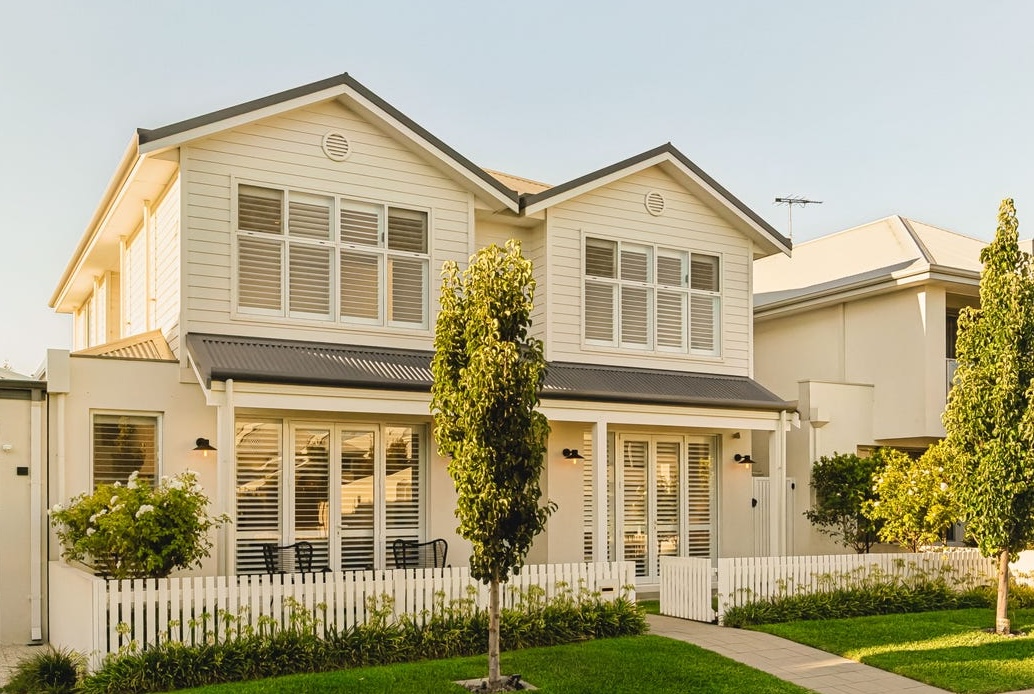

Homes in several key property markets are now selling much faster, highlighting surging demand that could push prices to new highs.
PropTrack data tracking how long it typically takes to sell a home in every Australian suburb has uncovered markets where homes are snapped up in just days.
Strong buyer demand combined with limited housing supply is driving faster sales in many areas, pointing to further price growth ahead.
The data tracks the median number of days a home spends on the market before its sold – a key measure of demand for property relative to the supply of homes available.
Shorter times usually mean there is strong buyer interest and homes that come on the market sell quickly. Longer times may suggest buyers have more choice or sellers are aiming for higher prices.
REA Group senior economist Eleanor Creagh said the length of time homes spent on the market was closely linked to supply and demand.
“When the number of homes for sale is limited, buyers have fewer options and properties tend to sell faster,” she said.
“Conversely, when listing volumes rise, buyers gain more choice and selling times can lengthen as competition between sellers increases.”
A typical Australian house takes 34 days to sell, while units sell in 32 days – figures that are slightly quicker than a year ago.
Selling speeds vary across the country, and are typically faster in the capitals than in regional areas.
A shift in selling speeds is one of the first signs that the next phase of price growth is taking shape.
Australia’s fastest-selling suburbs
Rising prices and affordability pressures have pushed many buyers towards more affordable markets, causing homes to sell quicker, Ms Creagh said.
“Shorter selling times in more affordable suburbs reflect where buyer demand is strong,” she said.
The fastest-selling suburb nationally was Carrum Downs in Melbourne’s outer south east, where a typical house sells in just 11 days. It was also the second-fastest suburb for units, which typically sold in 15 days.
Real estate agent Michelle Stephens of OBrien Real Estate Carrum Downs said affordable home prices and a well-connected position between Melbourne and the Mornington Peninsula meant the area was on the radar of first-home buyers, downsizers and interstate investors.
“The whole Frankston City Council is a bit of a hotspot,” she said.
“Supply has been pretty tight for the past 12 months, but with some of the results we’re getting, we’re starting to see a bit more supply come to the market because people have more equity in their property so they’re able to upsize.”
This Carrum Downs house was sold in just five days for $988,000. Picture: realestate.com.au/sold
The median house price in Carrum Downs rose almost 12% in the past year to $787,500, PropTrack data shows – about three times as fast as Melbourne’s overall price growth.
Ms Creagh said many of Australia’s fastest-selling suburbs were in middle and outer ring markets.
“These areas tend to offer more affordable price points, so they’re attracting strong buyer demand at a time when affordability remains stretched.”
Get your realEstimate™
Track your property’s value and unlock insights and data tailored for property owners.
Adelaide’s quickest-selling suburbs were mostly in the Hills including Bridgewater and Crafers, as well as inner northwest suburbs such as Brompton and Woodville South.
Brisbane’s north accounted for several of the city’s fastest-selling suburbs, including Zillmere, Chermside West, Everton Park and Aspley, with rapid results in outer southern suburbs such as Crestmead and Boronia Heights.
Zillmere’s median house price is a little more affordable than surrounding suburbs, and younger buyers are swooping in. Picture: realestate.com.au/sold
Real estate agent and SOL Property director Dan D’Silva said the property market in Zillmere was transitioning, with more young professionals moving in.
“It’s flown under the radar for a long time,” he said. “It’s changed a lot, with a lot of knockdown rebuilds – now there’s a lot of young families.
“We’re seeing so much demand for our area and not a lot of properties coming into the market,” he said. “If that continues, prices will go higher.”
In Sydney, houses sold rapidly in multimillion-dollar suburbs Clovelly and Naremburn, while the quickest suburbs for units were found in the inner west, northern beaches and Sutherland shire.
But most of the fastest-selling suburbs in NSW were pockets of affordability in the Hunter region, including Beresfield, Rankin Park and Kurri Kurri.
Real estate agent Renee Bean-Wyper of Stone Real Estate Hunter Valley said a surge in demand for affordable homes amid a supply crunch in the region had meant homes were selling rapidly and above price expectations.
Affordable homes in the suburbs of the Hunter region such as Kurri Kurri are getting snapped up quickly. Picture: realestate.com.au/sold
“It is absolutely crazy,” she said. “There is no supply and there is a huge demand.”
“A lot of first-home buyers, whether they’re coming from Newcastle or the Central Coast area, are looking for anything under $800,000.”
Perth’s northwest accounted for most of the city’s fastest-selling suburbs for houses, with rapid results achieved in Woodvale, Edgewater and Doubleview. Unit sales were quickest in inner suburbs such as Highgate and Mount Lawley.
Accelerating markets where demand is surging
The data also tracks how selling times have changed in the past year, revealing which suburbs could be poised for further price rises.
“Falling days on market signals improving market momentum,” Ms Creagh said. “When homes start selling more quickly, it indicates that the market is tightening and buyer sentiment is strengthening.”
The biggest decreases in selling times for houses were found in suburbs of Darwin, particularly in the more affordable Palmerston region, while units in the inner city suburbs of Parap, Stuart Park and Darwin City are also selling much quicker than the same time last year.
Darwin’s booming market has attracted significant interest from investors, causing homes to sell quicker and prices to jump further.
“In cities like Darwin and Hobart, where conditions were previously softer, faster selling times indicate buyers are returning and competition is increasing,” Ms Creagh said.
Sale times are quickening in several suburbs in Hobart’s north such as Austins Ferry, where the median sale price has jumped 15% in a year. Picture: realestate.com.au/sold
The time it takes to sell has more than halved to about in several affordable suburbs in Hobart’s north.
Real estate agent Aaron Murray of 4one4 Property Co said demand from owner-occupiers in Austins Ferry and Berriedale, and investors in Bridgewater and Brighton, was causing homes to sell quickly.
“It’s the least amount of stock we’ve had on the market for a long period,” he said.
“Properties are selling quicker because of the rental yields, and investors seem to be very prominent in securing properties.”
Even in the larger capitals, the biggest reductions in days on market were in more-affordable outer areas.
In Sydney, houses are selling quicker in suburbs in the city’s more-affordable outer suburbs such as Wilberforce, Thirlmere, and Silverdale, as well as Central Coast suburbs Charmhaven, Bateau Bay and Copacabana.
The Melbourne suburbs with the biggest reduction in days on market include Bacchus Marsh and Melton although homes were also selling faster in traditionally pricier areas of the Mornington Peninsula including Mount Eliza and Balnarring.
The situation is a little different in Perth, with most of the suburbs where selling times have quickened found in the city’s pricier west.
Homes are selling quicker in Mosman Park, one of Perth’s priciest suburbs, where this recently-built four-bedroom home sold for $2.98 million in 15 days. Picture: realestate.com.au/sold
Days on market have reduced significantly in beachside suburbs such as Mosman Park, Cottesloe and City Beach, as well as the riverfront suburbs of Attadale and Shelley.
These are among the priciest suburbs in the city, suggesting increased demand for premium houses among upgrading homeowners.
Could prices head even higher?
Accelerating sale times can highlight areas where a supply and demand imbalance exists, suggesting prices could potentially rise higher, Ms Creagh said.
“Declining days on market can be an early signal of strengthening price pressures,” she said.
“When homes start selling quickly, it tends to indicate that buyer demand is outstripping supply. Typically stronger price growth follows.”